O Porto
More than a Map, A Story for You to Feel
From its medieval foundation to the stories told in the tiles, this is an invitation to understand the soul of the “Invicta City” (The Unvanquished City). Get ready to fall in love and, who knows, for us to explore it together one day, step by step.

Imagine treading the ground where Portugal began. It’s not a figure of speech: it’s here, on the hills around the Douro, that a warrior named Vimara Peres restored “Portucale” in 868. This medieval nucleus isn’t an open-air museum; it’s the city’s DNA.
To feel these origins, you have to get lost in the labyrinth of streets around Porto’s Cathedral (Sé do Porto). Its fortress-like appearance is no accident – it tells centuries of history in its stones. Then, head down to Ribeira Square, the ancient mercantile heart where the bustle of trade still seems to echo on the colorful facades. And don’t just pass through Rua das Flores; walk slowly. This street, once full of vegetable gardens and bourgeois palaces, holds secrets in every wrought door and tiled facade. These are the literal and emotional foundations upon which everything else was built.
Flavor and Soul (The Heart of the “Tripeiros”)
A city is also defined by its table, and in Porto, gastronomy is a narrative of resistance and ingenuity. You won’t just “eat” here; you’ll listen to stories.
Trying a Francesinha isn’t just savoring a tasty dish. It’s understanding the ingenuity of adapting other influences into something deeply Porto-native. The same applies to Tripas à Moda do Porto. Do you know why the people of Porto are called “tripeiros”? Legend says the people gave all the good meat to the navigators during the Age of Discovery, keeping only the tripe. This dish, like Bacalhau à Gomes de Sá, created by a merchant from Ribeira, speaks of a resilient, creative people who know how to transform simplicity into something noble. Eating here is a history lesson with flavor.
The Golden Ambition (Expansion and Splendor)
The Douro River carried the wine away and brought back gold, ambition, and a worldview. This is the era when Porto looked to the sea and became great.
It all begins with its prince, Infante D. Henrique (Prince Henry the Navigator), whose statue in the square bearing his name celebrates that exploratory spirit. The wealth that came from that drive materialized in the splendor of the Stock Exchange Palace (Palácio da Bolsa) and the opulent shimmer of “Talha Dourada” (gilded woodcarving) in churches like São Francisco. It’s the same gold that pays for the nectar aging in the Port Wine Cellars, across the river in Gaia. Even the Lello Bookstore, with its scarlet and neo-Gothic grandeur, breathes this spirit of greatness and culture. This chapter of the city is about conquered splendor.
Fragments of Charm (Secrets and Viewpoints)
Beyond the mandatory monuments, Porto’s true charm reveals itself in the details and the breathtaking views.
It’s in that moment when you cross the Dom Luís I Bridge and the panorama of the river and houses opens up before you. It’s stopping at São Bento Station not to catch a train, but to “read” the 20,000 tiles that tell tales of battles and rural scenes. It’s discovering the story of a forbidden love at Largo Amor de Perdição, or finding the fresh silence and stunning view at the Virtudes Viewpoint. And of course, it’s challenging yourself to climb the 240 steps of the Clérigos Tower for the ultimate reward: seeing all this geographical and emotional history spread out at your feet. These moments of personal discovery make the visit unique.
This Story Continues… and You Can Be Part of It
Everything you’ve read – the medieval resistance, the resilience of the tripeiros, the golden ambition – culminates in a character: noble, loyal, and invictus (unvanquished). The Liberal Revolution, fought on the streets you now walk, is the final proof of that indomitable spirit.
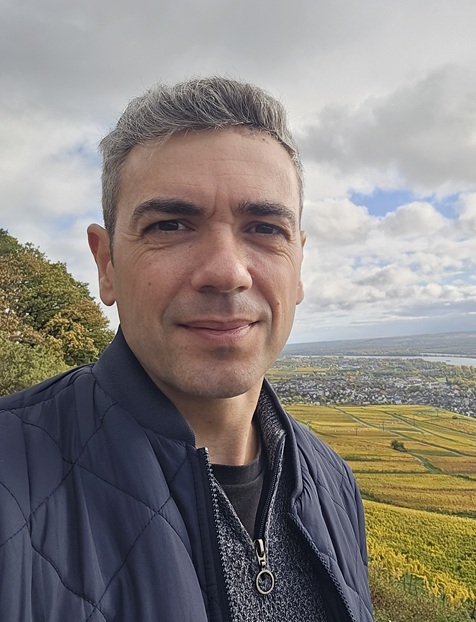
And it’s this spirit that I dedicate myself to sharing.
Because all this history, as vivid as it may be in your imagination, takes on a completely new dimension when it’s experienced on-site. It’s the smell of the river in Ribeira, the sound of footsteps on the medieval pavement, the warmth of the sun on the bridge as I explain why it was built, the taste of a francesinha in the right restaurant, with the right story.
On my walkingtours, I don’t just show locations from a guidebook. I connect the dots. I take you from the stone where Portugal began to the viewpoint where a king looked upon his kingdom. I tell you the stories that the tiles can’t tell on their own and take you to the places the maps don’t show.
If this guide made you feel the desire to get to know Porto, imagine the experience of discovering it by my side.